If your device is moving from prototype toward a real FDA submission, verification and validation testing is the phase where budgets get tested right along with the product. It is also the phase founders most often underestimate, because V&V is not one test. It is a program of tests, documentation, and traceability that has to hold up under audit.
So what should you actually plan to spend? Here is an honest breakdown of what V&V costs, what drives those costs up or down, and how to plan so the testing phase confirms your device instead of derailing your timeline.
The Short Answer: Typical V&V Budget Ranges
For a typical Class II device, published industry benchmarks generally put a full verification and validation program in the range of $150,000 to $350,000. Simple, low-risk devices can come in under that. Complex connected systems with hardware, firmware, mobile, and cloud components can go well beyond it.
Within that total, a few common line items help explain where the money goes:
- EMC and electrical safety testing to IEC 60601 often runs $50,000 to $60,000
- Sterilization validation, when applicable, typically starts around $15,000 at specialized labs
- Software verification, cybersecurity testing, usability testing, and environmental testing each add their own protocol development, execution, and documentation time
Treat these as planning figures, not quotes. The honest answer is that your number depends on your device class, your test scope, and how well your requirements were written long before testing started. That last one matters more than most founders expect, and we will come back to it.
Verification vs. Validation: A 60-Second Refresher
The two words get used interchangeably, but the FDA treats them as distinct questions:
- Verification asks: did we build the device right? It confirms your design outputs meet your design input requirements, through bench testing, inspections, and analysis.
- Validation asks: did we build the right device? It confirms the finished device meets user needs and its intended use, in the hands of representative users under real-world conditions.
Both trace back to the documents you wrote at the very start of development. If you have not defined those yet, start with our guide to medical device user needs and design inputs, because every V&V dollar you spend is spent proving those statements true.
What You Are Actually Paying For
A V&V budget is more than test execution. When you see a full program priced out, it usually includes:
- Test protocol development. Every requirement needs a documented, repeatable way to prove it, built from your system requirements, software requirements, and user needs. Writing good protocols is engineering work, not paperwork.
- Software and system testing. Software feature testing, user interface validation, and system integration testing, with IEC 62304 expectations for devices with software or firmware.
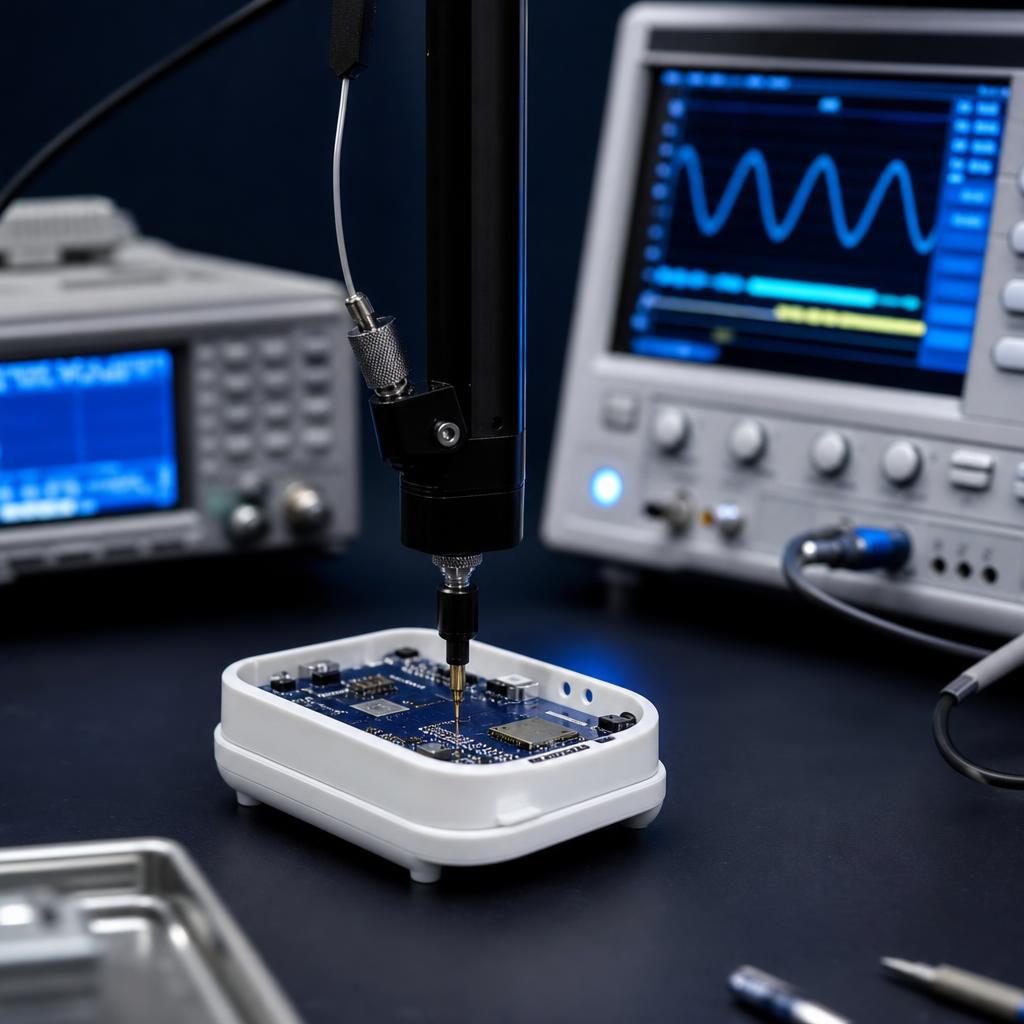
- Electrical and mechanical testing. Functionality, performance, error conditions, power management, signal integrity, and mechanical stress testing.
- Cybersecurity testing. Connected devices need documented security testing and risk documentation. FDA reviewers now expect it by default.
- Certification lab testing. Environmental, transportation, EMC, and electrical safety runs at accredited labs, plus the coordination work around them. Lab time is expensive, and failed runs mean paying for it twice.
- Usability, biocompatibility, sterilization, and shelf life. Where applicable based on patient contact, packaging, and use environment. These are specialized, time-consuming validations.
- Traceability and documentation. Every result has to trace cleanly from user need to requirement to protocol to report, and land in a design history file your reviewer can actually follow. This is what the FDA reviews.
That documentation layer is the part teams forget to budget. Testing without regulatory-ready documentation is money spent proving something you cannot show.
How Device Class and Connectivity Change the Bill
Two factors move V&V costs more than anything else.
Device classification. A Class I device may need only basic verification. A Class II device heading for a 510(k) needs a defensible test program across every applicable standard. Class III devices add clinical evidence on top.
Connectivity. Every subsystem you add expands test scope. A device with embedded firmware, a mobile app, and a cloud backend is really four systems that must be verified individually and validated together, including the cybersecurity evidence FDA reviewers now look for by default. This is where connected devices earn their higher budgets, and where experienced system-level test planning pays for itself.
The 5 Things That Blow Up V&V Budgets
Most V&V overruns are not caused by testing. They are caused upstream. The patterns we see most often:
- Vague requirements. If a requirement is not measurable, you cannot verify it. Teams end up rewriting requirements mid-program, which means rewriting protocols too.
- Late design changes. A design change after testing starts can invalidate completed results and send you back to the start of a test cycle.
- Missing traceability. If you cannot show which test covers which requirement, you will rebuild that matrix under deadline pressure.
- Retesting after failures. A failed certification run is one of the most expensive surprises in device development. Pre-testing before formal runs reduces that risk cheaply.
- Booking certification labs too late. Accredited environmental, transportation, and EMC labs book out months ahead. Teams that wait end up paying rush fees or sitting idle.
Every one of these is preventable, and prevention is dramatically cheaper than the cure.
How to Plan V&V From Day One
The teams that get through V&V on budget share a habit: they treat testability as a design requirement from the first sketch, not a phase that starts after design freeze.
In practice, that means writing requirements that are unambiguous and measurable, maintaining the traceability matrix as you go instead of reconstructing it later, running informal pre-tests before paying for formal certification runs, and locking your test strategy and lab schedule while the design is still maturing. It is the same discipline that drives overall program cost, which we break down in our guide to what drives medical device development costs.
Planned this way, V&V stops being the phase where surprises surface and becomes what it should be: the phase where you confirm what you already know.
Should You Run V&V In-House or With a Partner?
Some teams can run V&V in-house if they have the people, the test infrastructure, and the documentation discipline. A few tests will always live at external accredited labs, like environmental and transportation testing. Everything else comes down to who plans the program, builds the fixtures, executes the protocols, and keeps the record straight.
An experienced partner earns their fee by scoping the right tests (not every test), writing protocols that trace to your actual requirements instead of a generic template, running the testing itself, coordinating certification labs when they are truly needed, and producing documentation your FDA reviewer will accept without rework. If you are weighing that decision more broadly, we compare the options honestly in building an in-house team vs. partnering with C3.
How C3 Approaches V&V
Verification and validation testing is one of C3’s core services. We build and run full V&V programs, from protocol development through final test execution and documentation, covering software, electrical, mechanical, and system-level testing. We even handle cybersecurity testing in-house, a core C3 strength that most firms send out, and we work with external certification labs only when environmental or transportation testing is required.
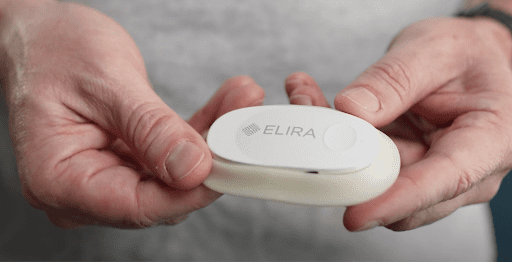
Because we also design and build devices, we plan for testing from the first requirement rather than discovering test scope at the end, and we build the design history file as we go. That evidence feeds directly into clinical readiness, so when your regulatory consultant compiles your FDA submission, everything they need is already in order. It is the same approach that helped Elira move from vision to validation and into FDA trials.
Let’s Put Real Numbers on Your V&V Plan
Every device is different, and the fastest way to replace ranges with real figures is a conversation about yours. Book a short discovery call directly with founder Craig Carder. Tell us where your device is, what testing you think you need, and we will give you an honest read on scope, budget, and the risks worth retiring first.