
AI That Works in the Real World Is Hard to Build.
Most medical technology teams understand the potential of AI and machine learning. What they don't always have is a clear path to integrating it safely, validating it for clinical use, and building it in a way that survives regulatory scrutiny.
At C3, we design and develop AI and machine learning systems for medical and wellness devices that are practical, defensible, and built to last. From signal processing and anomaly detection to on-device inference and cloud-based analytics, we build the intelligence your product needs and the documentation that backs it up.
Since 2009, we've worked in regulated device development, and we know where AI projects go sideways — and how to keep yours on track.
AI/ML Capabilities for Medical Devices.
Where We've Applied Intelligence.
C3 led development of a wearable medical device for a fully distributed startup with team members across the country. We integrated all internal and external contributors, brought the product through clinical trials, and held timeline and budget commitments across the entire program.
A mid-size company needed to develop a complex life sciences workstation but didn't have the internal engineering capacity to drive it. C3 served as the engineering team and program lead — from planning and budgeting through end-product manufacturing test.
Large companies have full teams and large budgets, but they're often less nimble when fast turnarounds are needed. We've stepped in for major medical device companies to make urgent design additions and updates their internal teams couldn't fit into their roadmaps.
A simple, flexible path forward.
Talk directly with our team about your program, your timeline, and where things are getting stuck.
We define program scope, milestones, and the engineering disciplines needed — with project-based or retainer options that fit your stage.
Our project engineers drive the program, manage vendors and contract manufacturers, and keep everything moving — while you focus on the strategic decisions only you can make.
What Working With C3 Looks Like.

AI in a medical device has to meet engineering and regulatory requirements. Our team knows both and builds with that in mind from day one.
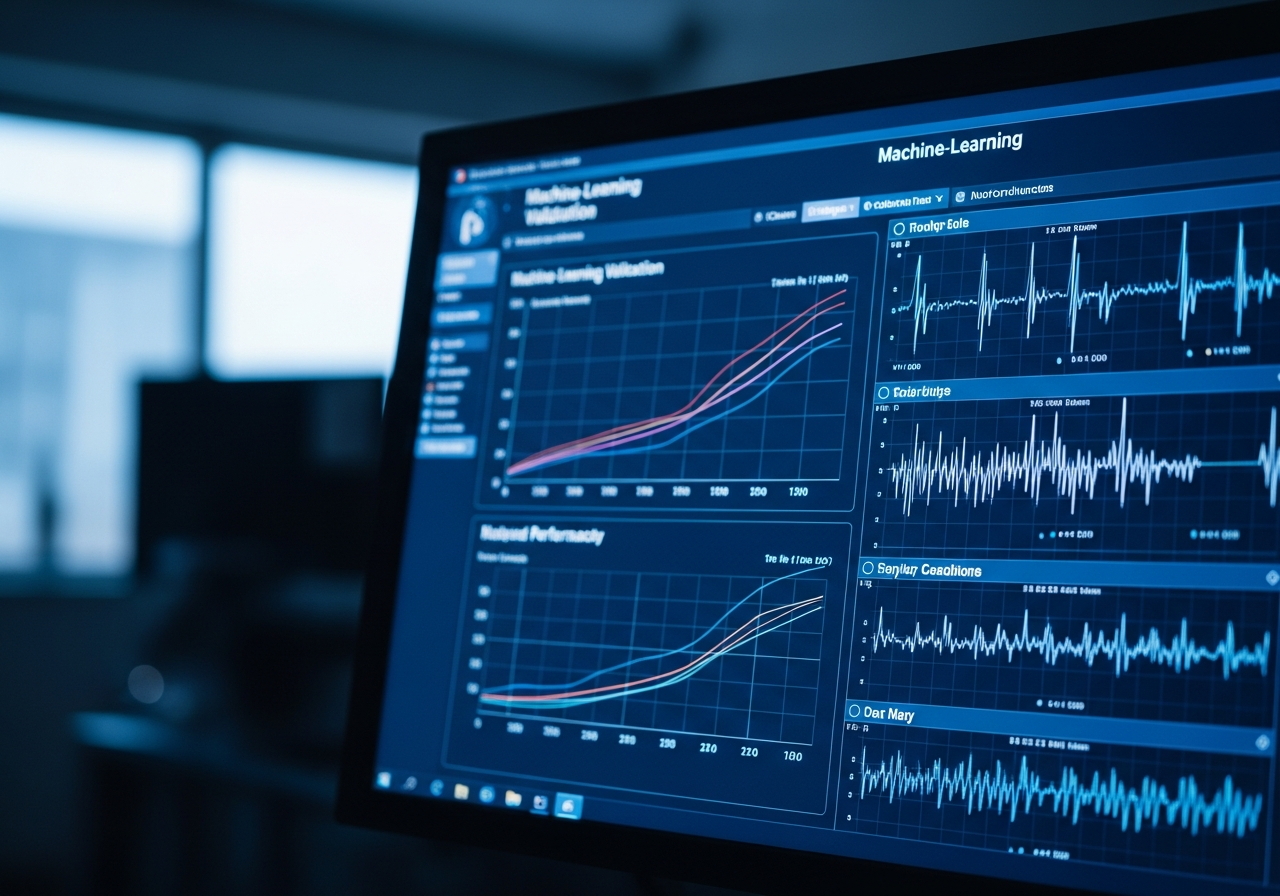
A model that performs well in testing is only part of the story. We document algorithm performance, failure modes, and edge cases in a way that supports regulatory submission and clinical confidence.
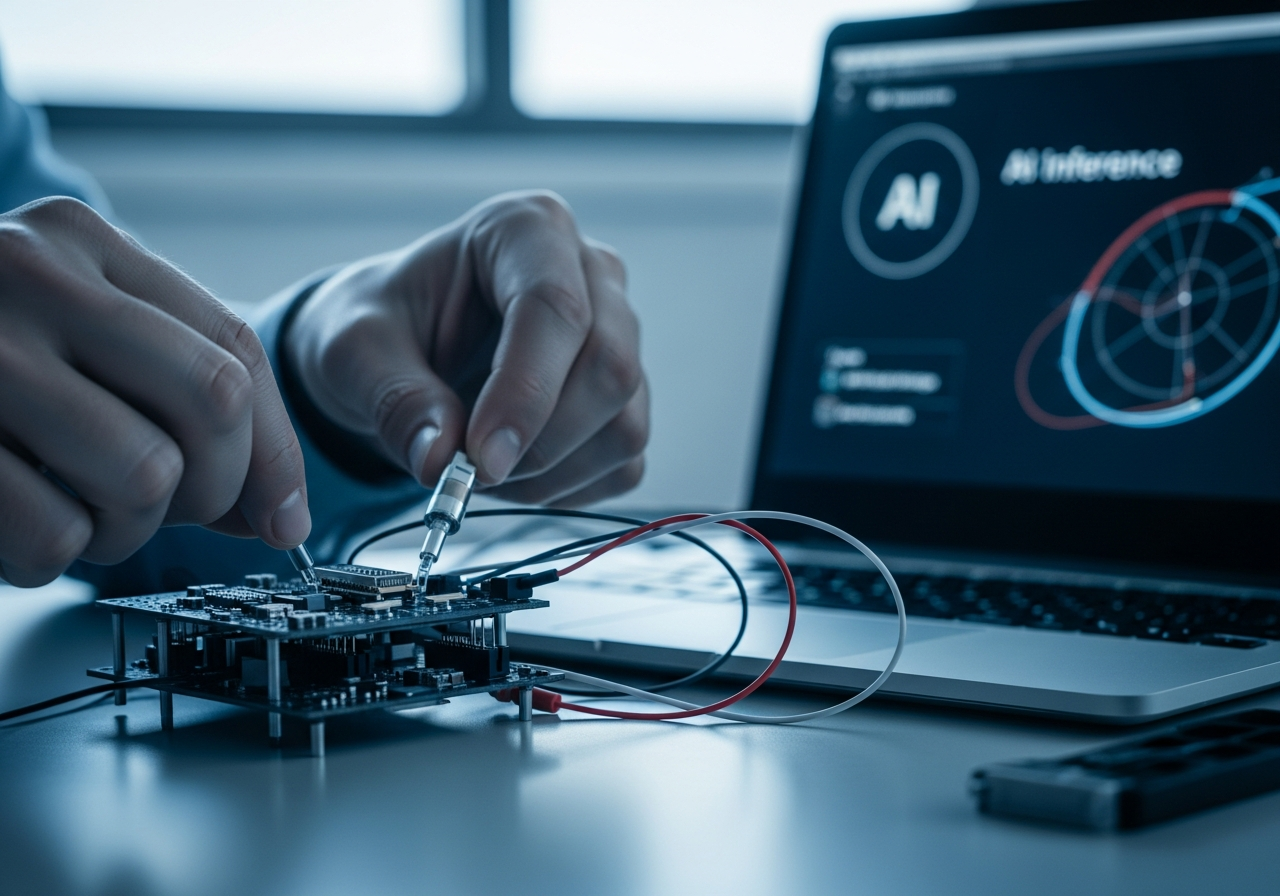
AI is most effective when it is designed into the system from the start. We work alongside your hardware, firmware, and cloud teams to build intelligence that fits the product.
How We Approach AI / Machine Learning.
Every algorithm we build starts with a clear definition of what it needs to accomplish and what getting it wrong actually means. That shapes every decision that follows.
On-device constraints, connectivity limits, and real-world data variability are part of the design from the beginning. We do not build models that only work under ideal conditions.
Regulatory-ready documentation for AI-enabled devices is not something you add at the end. We build the evidence as we build the system so you are not scrambling before submission.